
The Big Read in short: The need for greater mental health literacy among youths
SINGAPORE — When then 19-year-old Ashley Poo told friends that she was diagnosed with clinical depression and anxiety, the young woman who had always come across as confident and assured was greeted with a mixture of shock and confusion.
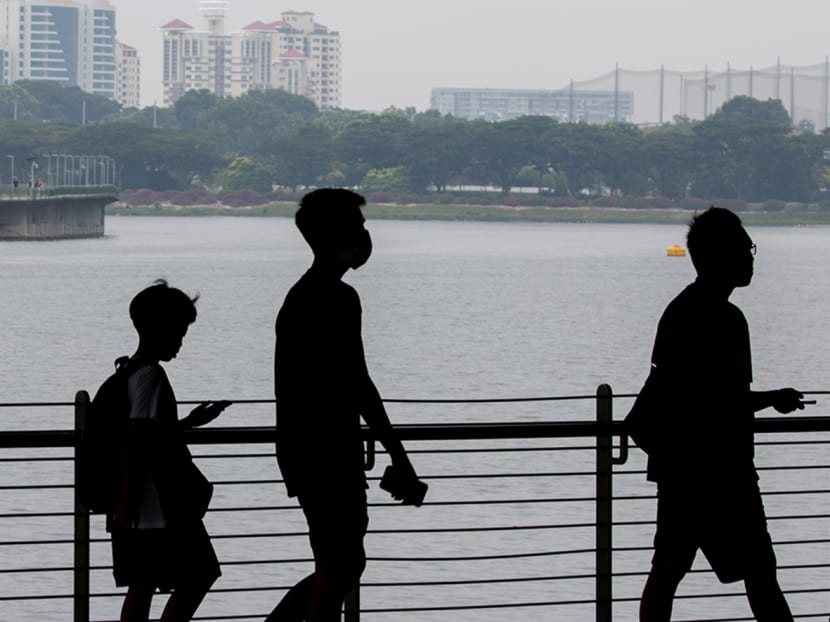
Youths and mental health experts say that there is a need to beef up literacy on mental health through educating employers, parents and children from an early age.

Each week, TODAY’s long-running Big Read series delves into the trends and issues that matter. This week, we look at the trend of youths increasingly using language and terms related to mental health in everyday conversations and how society can better support youths with mental health issues. This is a shortened version of the full feature, which can be found here.
- Greater awareness of mental health among youths and accessibility of information online has led to a trend known as “therapy speak” where youths use language and terms related to mental health in everyday conversations
- Experts say that while this indicates a broader, positive cultural shift in the way Singaporeans think and talk about mental health, there are pitfalls
- These include potentially dangerous misinterpretations of mental health and an increase in self-diagnoses that may not be accurate
- Meanwhile, youths with mental health struggles say that reactions of their loved ones to their conditions can still vary extremely from denial and dismissive to showing care and concern
- The youths and mental health experts say that there is a need to beef up literacy on the subject through educating employers, parents and children from an early age


SINGAPORE — When then 19-year-old Ashley Poo told friends that she was diagnosed with clinical depression and anxiety, the young woman who had always come across as confident and assured was greeted with a mixture of shock and confusion.
Remarks like “why are you depressed”, “your issues are not that severe”, and “how can you be struggling when you have such a good family?” were thrown at her.
Such reactions aggravated the poor mental state that the Republic Polytechnic student, now 22, found herself in, resulting in multiple emergency admissions to the hospital over the years.
Contrarily, when former radio deejay Kim Anne Tan shared with others that she had been diagnosed with dysthymia — also known as persistent depressive disorder — the responses she received were nothing but supportive.
“I've never met a single person who was like, weirded out by it. Everyone, even if they didn't understand what the condition was or they weren't sure, nobody was negative,” the 28-year-old said.
From TODAY’s recent interviews with Ms Poo, Ms Tan and five other youths who had struggled with their mental health, one common thread that emerged with regard to how loved ones responded to their struggles was how extreme those reactions could be — from denial and dismissive to showing care and concern.
As the world marks Mental Health Day on Oct 10 amid global concerns that today’s youths are more mentally unwell than previous generations due to a myriad of uncertainties, TODAY spoke to mental health experts, advocates and survivors for some insights into how Singapore is dealing with the issue, and how youths can be better supported in their struggles.
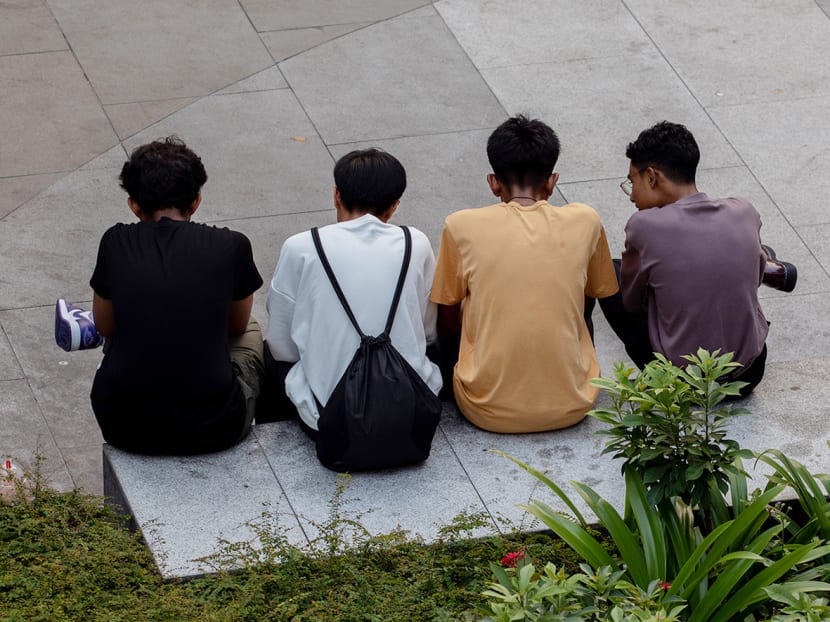
WHY THIS MATTERS
Back in 2016, a Singapore Mental Health Study conducted by the Institute of Mental Health (IMH) showed that one in seven persons here had experienced a mood, anxiety or alcohol use disorder in their lifetime.
Among them, young people aged 18 to 34 had the highest prevalence rate of 21.6 per cent.
Six years on, the prevalence of mental health issues among youth appeared to have worsened, with the highest proportion of Singaporeans with poor mental health coming from the 18 to 29 age group at 25.3 per cent, according to the 2022 National Population Health Survey conducted by the Ministry of Health (MOH), which was published last month.
Mental health professionals and advocates told TODAY that since the onset of the Covid-19 pandemic in 2020, during which many Singaporeans were forced to limit their social interactions with others, the subject of mental health has increasingly pervaded the country’s social consciousness.
This has given rise to “therapy speak” — the adoption and use of therapeutic language and terms outside of the clinical setting, typically in everyday conversations.
Mental health advocates and young interviewees diagnosed with mental health conditions, whom TODAY spoke to, agreed that the rise in mental health awareness had led to terms associated with therapy-speak such as “triggered”, “boundaries” and “gaslighting” becoming increasingly common within the social lexicon.
While such language indicates a broader, positive cultural shift in the way Singaporeans think and talk about mental health, said experts, they also cautioned that it could lead to unintended consequences.
THE BIG PICTURE
For one thing, the increase in therapy-speak in social discourse could lead to trivialisation of those who suffer from mental health issues, said some of TODAY’s interviewees.
Mr Asher Low, founder of the mental health non-profit organisation Limitless, said that such misuse of words tends to stem from an unintentional misunderstanding of their original meanings, and can result in “unhelpful” perspectives on dealing with personal problems.
He cited the example of the word “boundaries” — which refers to one protecting one's own free time, personal space and even money from being taken away by others — but may be interpreted as cutting “everyone off”.
There is also the concern that youths might be too quick to diagnose themselves with mental illnesses based on symptoms found online, even though these may not be accurate.
However, despite these potential pitfalls of the increased prevalence of therapy-speak, all the experts interviewed emphasised that on balance, this trend is a step in the right direction for society.
Therapy-speak has the potential to help people articulate their emotions and symptoms better, for instance.
“It might in fact be an opportunity to revisit some of these symptoms that the person is sharing with you and then help the person to make sense of it,” said Dr Charmaine Tang, chief of the department of psychosis at IMH.
“And through that process, (we can) also provide some proper education and hopefully improve the person's mental health literacy and knowledge as well,” she added.
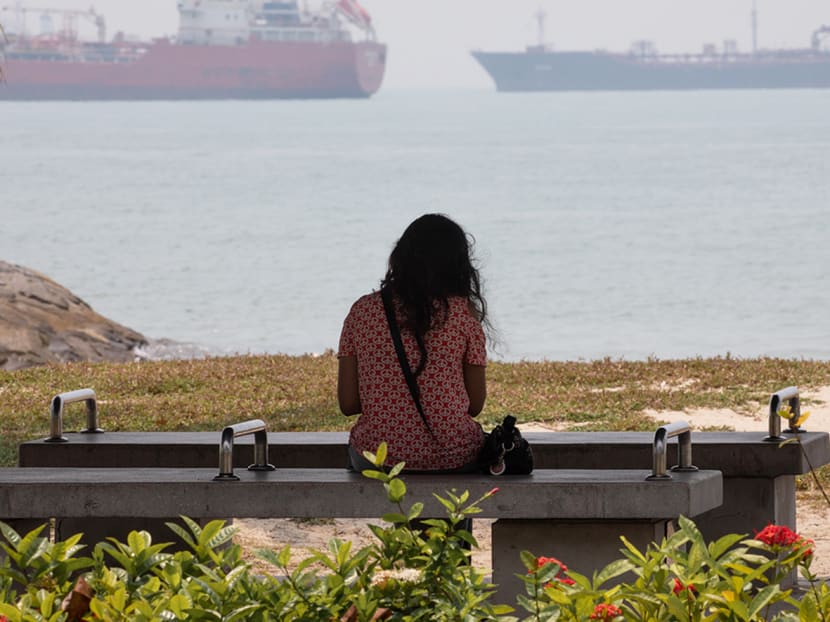
THE BOTTOMLINE
Ms Ong and other mental health experts told TODAY that a large part of removing the stigma attached to mental health is related to improving emotional and mental health literacy levels in our society.
While emotional literacy refers to the ability to recognise, understand, express, and manage one's own emotions as well as those of others, mental health literacy is possessing accurate information, beliefs, and attitudes about mental health conditions.
Both forms of literacy are important in helping those who suffer from mental illnesses and mental health challenges feel accepted in society.
For Robin (not her real name), who was diagnosed with depression at the age of 15, she believes that mental health education has to begin from an early age.
“To me, kids are a lot smarter than we give them credit for. Maybe they don't have the faculties to explain exactly what they're feeling, but I think they are pretty intuitive. If you make things the norm for them, that's what they learn to pick up,” said the 27-year-old.
“(But) if you tell kids that there are certain mental conditions that you may experience as you grow older, then not just those who feel like they need help can feel comfortable, but neurotypical people can also have an awareness of it and understand them.”
Mr Sam Roberts, founder and director of the Olive Branch Counselling, Psychology and Therapy Clinic, added that a child’s psychological development hinges on the environment they are brought up in — one that is created by parents.
It is therefore crucial for parents as well to be equipped with a good understanding of both types of literacy.
At the core of mental health literacy is the understanding of mental health conditions, and by extension, the ability to distinguish between a temporary mental setback from certain circumstances and a protracted mental health challenge that might need clinical support.
Mr Low of Limitless said that people should seek professional help when they notice three key things: Their usual coping mechanisms do not work; the symptoms have persisted for an extended period of time; and it severely affects their quality of life.

For those who hope to be of better help to friends and loved ones who may be struggling with their mental health, the youths whom TODAY spoke to shared about the kind of support they would have liked when they were grappling with the problem.
Ms Poo, who shared that she had previously lost a few friends to suicide over the years, said that it is important for people not to be too “quick to judge or offer solutions”, and instead simply lend a sympathetic ear.
Other youths said that simple affirmations and check-ins can also be crucial — be it asking about whether they have been sleeping, eating or drinking well and occasionally offering to go for meals together.
Ultimately, a balance must be struck between personal support and professional help, said Mr Roberts.
A friend or relative’s willingness “to be a supportive and empathetic presence” in the life of a person facing mental health issues “can make a significant difference in their journey toward recovery”, he noted.
“Remember that while you can provide valuable support, professional help from a qualified mental health provider is essential for their well-being.”
Related topics
mental health World Mental Health DayStay in the know. Anytime. Anywhere.

Subscribe to our newsletter for the top features, insights and must reads delivered straight to your inbox.
By clicking subscribe, I agree for my personal data to be used to send me TODAY newsletters, promotional offers and for research and analysis.






