
After NSF’s suicide, SCDF steps up support for mentally distressed recruits
SINGAPORE — Since the death of a full-time national serviceman (NSF) by suicide, the Singapore Civil Defence Force (SCDF) has strengthened its support for new recruits who need more help adjusting, it said on Thursday (Nov 29).
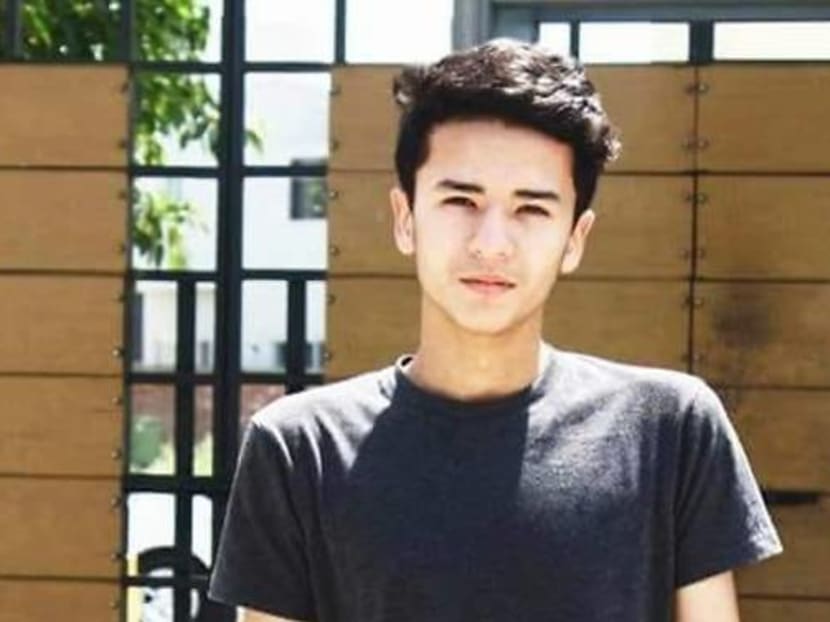
The Singapore Civil Defence Force said that contrary to the coroner’s report, it does have an in-house psychological unit and uniformed officers who are trained in mental health issues.



SINGAPORE — Since the death of a full-time national serviceman (NSF) by suicide, the Singapore Civil Defence Force (SCDF) has strengthened its support for new recruits who need more help adjusting, it said on Thursday (Nov 29).
In response to queries from TODAY, the SCDF also refuted the findings of a coroner’s inquiry conducted after Muhammad Ahad Lone’s suicide, saying that the SCDF does have an in-house psychological unit and uniformed officers who are trained in mental health issues to provide support in mental health and resilience for all SCDF staff and officers, including NS recruits.
The coroner had recommended the appointment of trained mental health professionals at all SCDF camps, saying that this was an inadequacy in the SCDF’s structure and protocol in dealing with recruits who face mental health issues.
Ahad died in April last year, two months after his enlistment. He was 18 years old.
STRENGTHENING SUPPORT PROGRAMME
Since Ahad’s death, the SCDF said it has enhanced support measures for recruits who need more help adapting to National Service.
For instance, those who are assessed to require additional supervision and support were previously interviewed by their assigned NSF Platoon Commander (PC).
Now, a Deputy PC, an older regular officer who can assume the nurturing role of a father figure, will also be present during these interview sessions, the SCDF said.
“Such interviews are now conducted in civilian attire, so that the setting is less regimented and recruits may feel more comfortable to open up about problems they may be facing,” it added.
NS recruits who do not have family support in Singapore will be assigned a buddy who is either from the same ethnic group or speaks the same language as the distressed recruit.
Those facing financial difficulties will be offered accommodation within the camp over weekends or public holidays.
Ahad studied here for a few years during his formative years as his father worked for a shipping company in Singapore. He obtained Singapore citizenship in 2009, but returned to Pakistan with his family in 2012.
Ahad returned to Singapore alone on Feb 6, 2018 to fulfil his NS obligations, but he felt lonely, had no close friends and had trouble sleeping.
When training began, he was on medical leave most of the time with various ailments, including depression and having suicidal thoughts, and was certified medically unfit for duty on repeated occasions in February and March 2018.
PSYCHOLOGICAL SUPPORT IN PLACE
In her report, state coroner Kamala Ponnampalam said that SCDF’s protocol in dealing with mentally unwell recruits was inadequate and recommended that trained mental professionals be appointed.
She added that counsellors at SCDF are in fact “orientation officers” with no formal training in counselling, and there is no dedicated psychological care centre within SCDF, only a behavioural sciences unit located at the SCDF headquarters.
However, in its response to TODAY, SCDF said that these orientation officers are in fact trained in counselling.
Distressed NS recruits undergo a compulsory assessment by psychologists from its Emergency Behavioural Sciences and Care (EBSC) unit, which is made up of psychologists and uniformed officers trained in mental health issues.
One of the uniformed officers in the ESBC who has been trained in counselling, crisis and suicide skills intervention is designated as an orientation officer, whose role is to ensure NS recruits’ well-being and adjustment at the start of their NS.
“The Orientation Officer is based at the National Service Training Institute, where he or she is able to provide the first level of counselling support to recruits, and works closely with the psychologists in doing so,” the SCDF said.
SCDF added that there is also a resilience programme to help recruits better adapt to their environment.
Supported by instructors and supervisors in the training institute and frontline units, NS recruits are taught psychological resilience skills to help them manage the challenges they may face as emergency rescuers during the programmes.
“They also undergo a vocational selection test to assess their suitability and job-fit for fire and rescue operations before their deployment to frontline units at the end of their basic training,” said SCDF.
Nevertheless, SCDF said it will study the recommendations from the State Coroner carefully.
Related topics
SCDF mental health Ahad Lone suicideStay in the know. Anytime. Anywhere.

Subscribe to our newsletter for the top features, insights and must reads delivered straight to your inbox.
By clicking subscribe, I agree for my personal data to be used to send me TODAY newsletters, promotional offers and for research and analysis.






